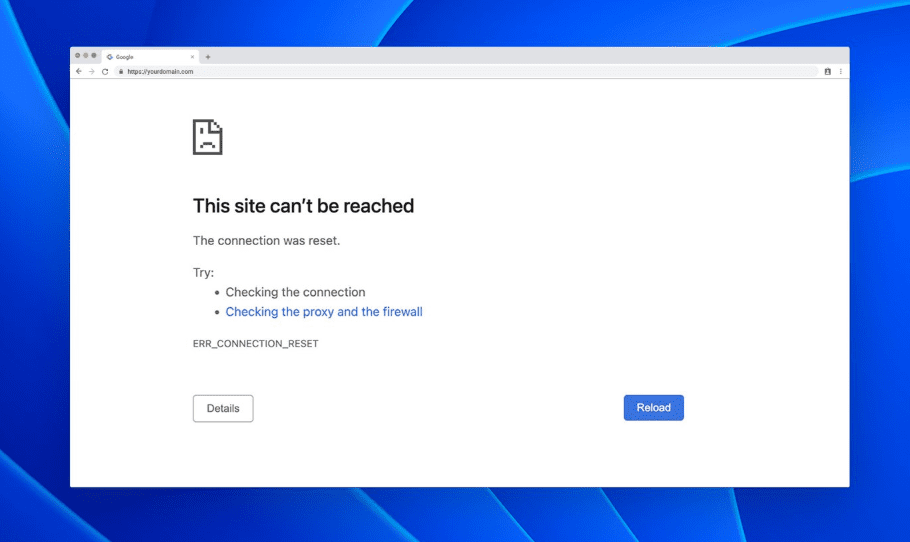
In the vast expanse of the Internet, millions of websites are available to users across the globe. However, not all websites are accessible, and many can be categorized as 'not on the Internet.’ This article delves into the reasons behind this phenomenon, highlighting websites like which sites are not on GamStop? Relate Derby which may have limited accessibility, whether due to regional restrictions, financial issues, or other technical limitations.
1. What Does 'Not on the Internet’ Mean?
The term „not on the Internet” can refer to several different scenarios. Primarily, it denotes websites that are unreachable due to various reasons. This can include websites that are intentionally taken down, under construction, or those that have geographical restrictions that prevent access from certain locations. Additionally, users might come across domains that are inactive or not properly hosted, leading to a '404 Not Found’ error.
2. Reasons Websites Are Not Accessible
There are various reasons why certain websites may not be accessible. These reasons can range from technical issues to deliberate restrictions. Below, we outline some of the key factors contributing to this phenomenon.
2.1. Geographic Restrictions
Many websites impose geographic restrictions, limiting access based on the user’s location. This can be due to legal requirements, such as those imposed by government regulations, or due to content licensing agreements. For instance, streaming services may only be available in specific countries. When a user attempts to access such sites from restricted locations, they will often receive a message indicating that the service is unavailable in their area.
2.2. Financial Constraints
Operating a website comes with costs, including hosting fees, domain registration, and ongoing maintenance. For many small businesses or personal projects, these costs can become prohibitive, leading to websites becoming inactive. Moreover, websites that once thrived may experience financial downturns that result in them being taken offline.
2.3. Technical Issues
Websites can also go offline due to technical issues, which may include server outages, software failures, or cybersecurity incidents like hacking. When a site faces such challenges, it may take time for the administrators to restore functionality, leading to temporary inaccessibility.
2.4. Content Removal
Websites may also be removed intentionally due to various reasons including policy changes, content disputes, or simply a decision by the creators to discontinue the service. This can result in entire platforms disappearing from the web, leaving users without access to previously available information or services.
3. Impact of Websites Not Being Accessible
The inability to access certain websites can have several implications for users and the broader web community. Here are a few key impacts:
3.1. Information Gap
When websites are not accessible, it creates an information gap. Users may miss out on valuable resources, tools, or community support that they could otherwise rely on. This is particularly true for sites that offer specialized content or services, such as educational resources or local community support organizations.
3.2. Reduced Web Diversity
The web thrives on diversity, with various voices and perspectives contributing to the broader conversation. When websites go offline or become inaccessible, it reduces this diversity, potentially leading to a homogenized internet experience where only popular or easily accessible content remains.
3.3. Misrepresentation of Online Presence
The absence of certain websites can misrepresent the online presence of communities, industries, or even countries. For example, if notable websites in a particular region become inaccessible, it may give the impression that the regional web ecosystem is less active or relevant than it truly is.
4. How to Check if a Website Is Active
If you are unsure whether a particular website is operational or has gone offline, there are several ways to verify its status:
4.1. Use Website Status Checkers
Several online tools allow users to check the status of a website. These tools can provide information on whether a site is down for everyone or just for you. Tools like „Down For Everyone Or Just Me” or „Is It Down Right Now” can be particularly useful.

4.2. Check Social Media
Many websites have associated social media profiles. Checking these profiles can provide insights into the current status of the website. If a site is experiencing downtime, the administrators often communicate updates through these platforms.
4.3. Visit Archived Pages
The Wayback Machine, an internet archive service, allows users to see previous versions of websites. If a website is no longer accessible, you can use this tool to retrieve past content and information that was available on the page.
5. Conclusion
While the Internet is home to countless websites, not all are accessible at all times. Understanding the reasons behind why certain websites may be categorized as 'not on the Internet’ is crucial for users navigating the digital landscape. Geographic restrictions, financial constraints, technical issues, and content removal all contribute to this situation. The implications for users, ranging from the information gap to reduced web diversity, remind us of the importance of maintaining a vibrant and accessible web. Whether you’re looking for local resources like Relate Derby or broader online communities, awareness of these barriers can help in seeking out alternative solutions and appropriately navigating the digital sphere.